




1. Your Journey: What first drew you to dance? Was there a moment when you knew dance would play a central role in your life?
We asked her a series of questions about her personal journey, the creation of AK Dancewear, and the lessons she has learned along the way. Her answers were honest, vulnerable, and deeply inspiring. Below is the full Q&A, shared exactly as the questions were originally written, paired with her thoughtful responses.
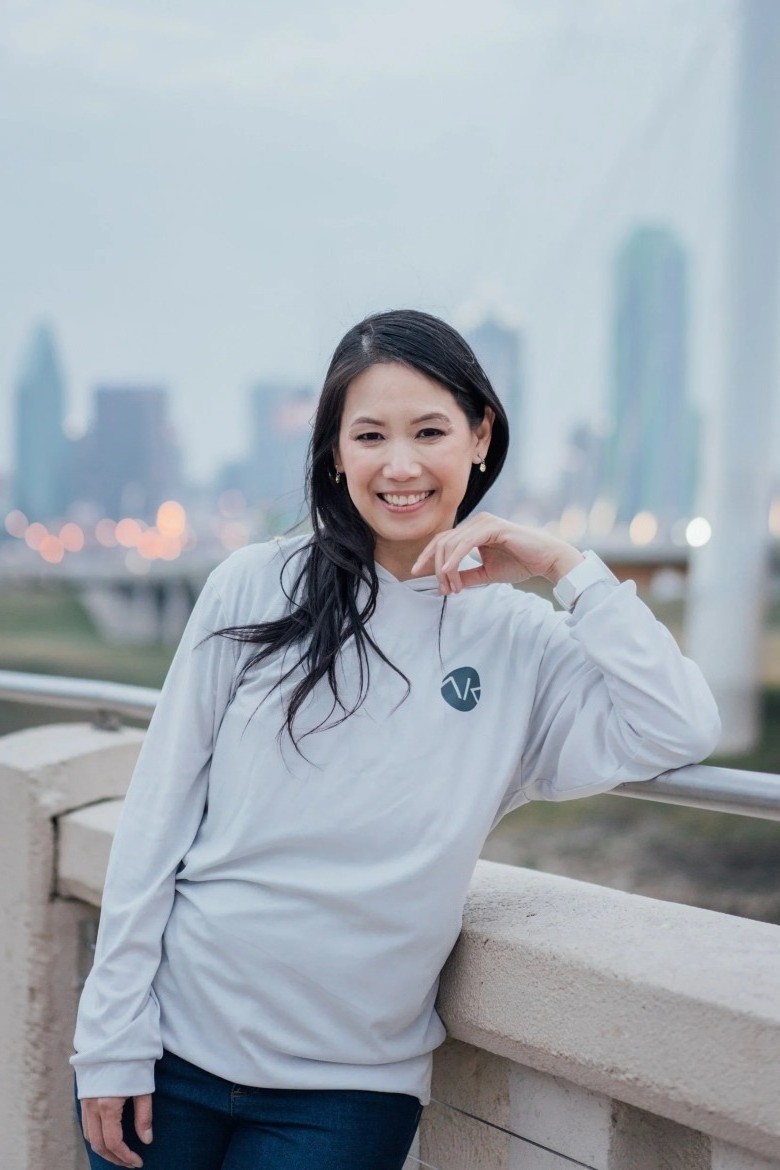
I actually came into ballet in a very unglamorous way. As a child, I had a posture condition called kyphosis and when physical therapy wasn’t helping, my mom was told to try ballet as another way to strengthen my back. So I started around age 9 through the RAD syllabus. I wasn’t a standout student at all. I had trouble remembering combinations and I struggled a lot as a late starter, so I was never really taken seriously. One of the biggest early memories for me was seeing The Sleeping Beauty performed by the Bolshoi Ballet when they toured to my hometown Penang. I remember sitting there completely amazed. I was only 10 at the time and it was my 1 st ballet performance, but that performance made me fall in love with ballet in a way I never expected. After I stopped dancing and went to college, I didn’t return to ballet until much later in life. Working in corporate, navigating motherhood, and going through a very difficult chapter after a miscarriage and also learning that my older son is on the autism spectrum, I needed something grounding and healing, and I discovered that our local community college offered adult ballet classes. I signed up thinking it would be a small creative outlet but it ended up becoming a huge part of my life again. I didn’t think much of it at the time, but the muscle memory and technique started coming back to me, and my ballet teachers saw something in me that I never saw in myself as a kid. Their encouragement gave me the confidence to try again. From there, I enrolled in the dance concentration program, explored other dance genres such as jazz, tap and modern; performed in shows, and even joined a local regional company as a company member. So for me, there wasn’t one dramatic moment. It was more like ballet kept finding its way back to me through different seasons of my life. And each time, it offered exactly what I needed. That’s when I realized dance would always have a place in my life, not because I was naturally gifted at it, but because it helped me become steadier, stronger, and a more confident self.
2. Brand Genesis: What inspired you to start AK Dancewear? What gap in the dancewear market were you looking to fill?
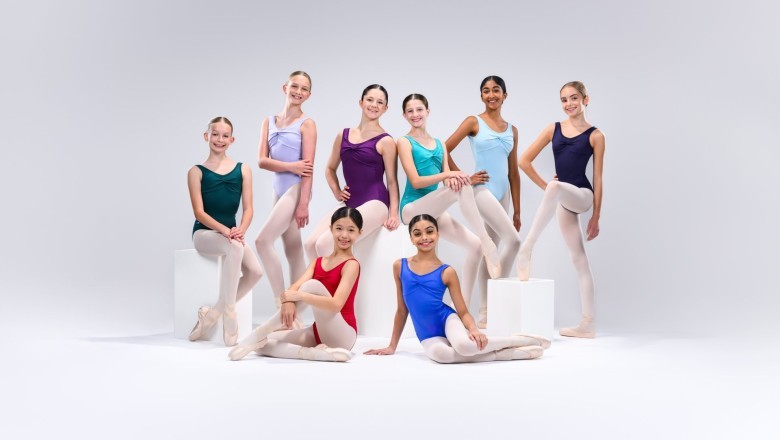
When I came back to ballet as an adult, I quickly realized how hard it was to find dancewear that actually felt good on my body. A lot of pieces either didn’t feel supportive enough, didn’t give a flattering line, or just lacked personality. And as a mom juggling work, kids, and classes, spending a lot on very premium dancewear wasn’t always realistic. There felt like this huge gap between accessible pieces that didn’t give me confidence and high-end ones that were often out of reach. So I started making small tweaks to my own leotards, and eventually I began sewing my own designs. It was really just a personal project at first. Everything changed when I attended a teacher workshop in New York and dancers kept asking where my leotard was from. That was the first moment I thought, maybe I’m not the only one looking for something that blends comfort, clean lines, durability, and a moderate premium price point. That experience is what sparked AK Dancewear. I wanted dancers of all ages and levels to have access to pieces that feel supportive, move beautifully, and give them confidence without compromising quality. Our first design was the AURORA leotard, which introduced our AKxtra lining. It’s a unique support layer that you don’t really see anywhere else, and it ended up making a real impact on many dancers who wanted more security without losing that elegant silhouette. We also created our first AK2in1 skirts, which were designed to make skirts fun and versatile. You get two looks in one garment, and so many dancers and retailers called it a “brilliant invention.” Those early pieces were our way of solving real problems dancers face every day, and they set the foundation for what the brand has become.
3. Challenges and Lessons: In the early days of the brand, what was your biggest challenge? What lesson would you share with young dancers or parents about perseverance?
The hardest part in the beginning was earning trust. I was this new brand trying to bring something different into a space where dancers already had their favorites. It took time for people to really see the heart behind what I was building and the level of quality we were committed to. There were plenty of moments that felt slow, uncertain, and honestly a little lonely. And then 2020 happened… the whole world paused and suddenly dancers were taking class on Zoom in their pajamas. It was such a strange, tender time for everyone. One thing I always tell dancers is that progress isn’t always flashy. Most of it happens quietly. You grow by showing up again and again, even on the days when you’re not confident. That’s true in dance and in life. I’m also a big believer that endurance matters — the dancer who can stay steady in the long game often ends up surprising themselves the most. And for parents, I always share this: patience is one of the greatest gifts you can give your dancer. This path is demanding and the road can be long. Steady encouragement and calm belief go a very long way. Dancers tend to be incredibly tough on themselves, so when parents choose to trust the process and celebrate the small wins, it becomes a shared victory and a source of strength they carry forward.
4. Design Philosophy: How do you approach designing a new collection? What do you prioritize and how do you test for dancer feedback?
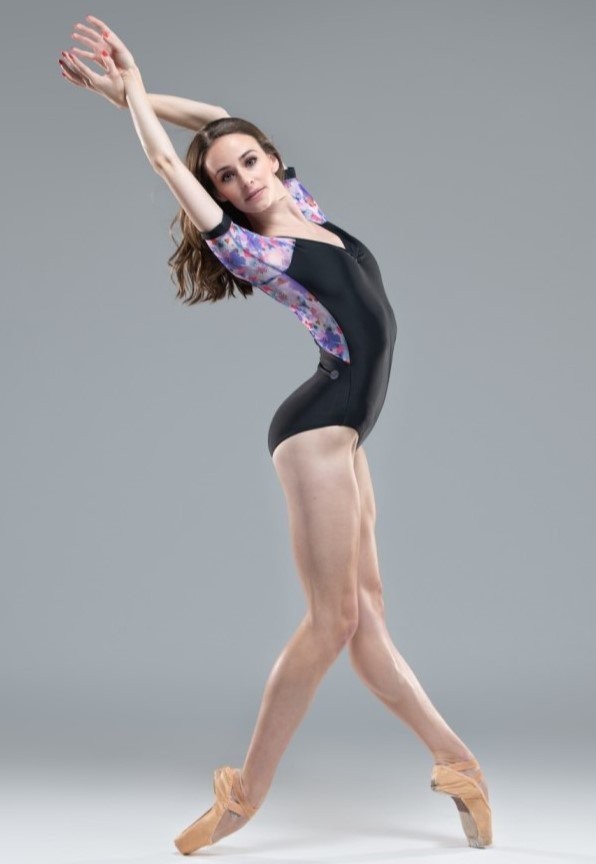 My design process usually starts with a feeling or a spark of an idea, often influenced by our surrounding natures and personal experiences. Sometimes it’s a color, sometimes it’s a story, and sometimes it’s something I notice dancers struggling with in class. Comfort is always the starting point for me — if a dancer doesn’t feel good, nothing else really matters. From there, I think about support, practicality, breathability, how the body moves, and then the aesthetic details that help dancers feel elegant and confident. I’ve loved sewing since I was very young, influenced a lot by my grandmother. Because of that, I’ve always been very particular about seams, lines, and how fabric pieces come together. That attention to detail carries over into every design we make, from the way a leotard stretches to how the lining feels against the skin. We’re very intentional about dancer feedback. Before anything becomes a real product, we test samples with dancers of different ages, sizes, and training levels. We watch how they move, how the garment looks in motion, and most importantly, how they feel in it. Their input directly shapes the final design. I’m also a very practical person, so I’m always thinking about real-life use and how to create things that aren’t already out there. Our backpack is a good example — all those pockets came from thinking about dancers who are constantly running between studio and school and need a bag that actually works for their day. The AK2in1 is another one I adore because it gives two styling options in one piece. And after COVID, we put a lot of research into developing our proprietary fabric for moderate compression support and antibacterial performance. These are the kinds of features I felt were missing in dancewear, and it motivates me to keep innovating and giving our community the best we can offer.

6. Teen and Parent Advice: What advice would you give a teenager who wants to pursue dance seriously? What about parents supporting them?
For teens, my advice is to be patient with yourself. Dancing seriously doesn’t mean you have to be perfect all the time. There will be good days and harder days, and what really matters is showing up consistently, putting in steady work, and protecting your love for dance. Everyone grows at their own pace and has different strengths, so it’s important to celebrate even the small wins. Having a strong circle of support is key, because dancers can be really hard on themselves. And when you catch yourself comparing to others, try to remember that everyone has their own challenges and strengths, you bet that someone else is wishing they had the qualities you bring to the studio. For parents, I always remind them that dancers need emotional support just as much as logistical support. Encouragement, celebrating small wins, and creating space for rest are all huge. Dance is a challenging journey, but when a young dancer has a strong, patient support system at home, it makes the experience so much more rewarding for both the dancer and the family.
Ambassadors - AK Dancewear

7. Brand Storytelling: Which collection means the most to you and why?
Motley collection has always been one of my favorite collections, not just as a line of dancewear, but as a creative playground. I love experimenting with color schemes, mixing bold hues, and exploring multi or monochrome in playful ways. Motley collection gave me the perfect canvas to do that. The collection celebrates a rainbow of possibilities with intricate designs, unexpected color combinations, and textures that stand out just like the dancers wearing them. The name Motley itself, meaning rainbow or multicolored, perfectly captured the spirit I wanted for the collection. Motleyville is the next chapter in that story. It builds on the spirit of Motley, full of boldness, fun, and personality, and turns it into a little imaginative world for dancers. Every character in Motleyville is part of an experience that encourages creativity, playfulness, and self-expression. It is more than just dancewear. It is about celebrating individuality and inspiring dancers to feel fully themselves. For me, Motley collection is deeply personal because it reflects my love for color, experimentation, and design. Motleyville carries that energy forward, giving dancers a sense of belonging that feels beautiful and comfortable while also inviting them into a space where they can dream, create, and shine.
8. Behind the Scenes: What is a typical day in your life now? How do you balance creative design with business and logistics?
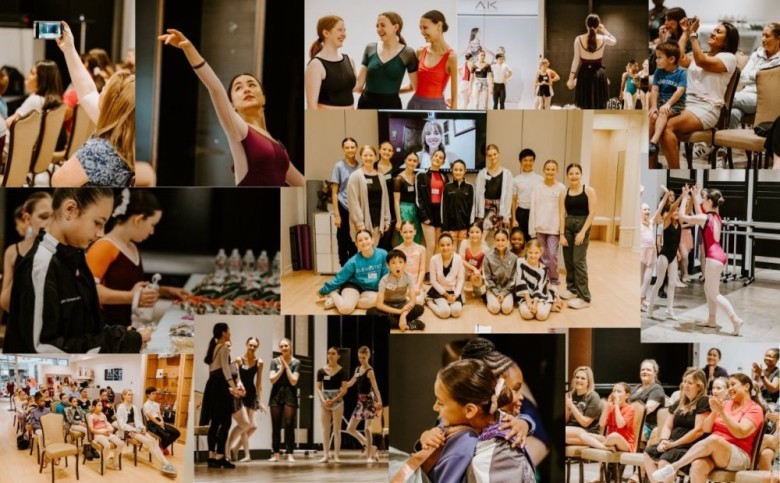
My days vary quite a bit, but they usually involve a mix of creative work and operations. Some mornings I spend time reviewing sketches, fabrics, or samples. Other days start with calls, planning inventory, coordinating events, and checking in with our team. I’ve learned to set aside time that is purely creative because that is where I feel the most energized. The business side is equally important though. It keeps everything moving and allows the creative ideas to actually come to life. Balancing the two is a constant practice, but I enjoy the rhythm of switching between roles.

9. Looking Forward: What’s next for AK Dancewear? What upcoming collections or community projects are you excited about?
We always have new ideas in the works. I’m excited to continue growing our storytelling collections and to bring more unique pieces to dancers who want something expressive and elegant. We’re also planning more community events and ways to connect dancers with mentors and industry professionals. Going forward, my goal is to expand our reach while staying true to our mission. I want AK Dancewear to be a brand that dancers trust for quality and comfort, but also a brand that makes them feel supported and inspired through every season of their dance journey.
Fun Rapid-Fire
Your favorite leotard and why: AURORA. It was our very first design and also the best-selling one, so it holds a special place in my heart.
A piece of music that always gets you inspired: I love music, but there are too many favorites to choose from, so I’ll have to skip this one.
One non-dance habit you swear by: Every morning, I take a few moments to remind myself what matters most that day and set an intention for positive energy to flow through everything I do.
If you could give your younger dancer self one piece of advice: Every flower blooms at its own pace. Everyone grows and develops differently, and no one can predict your path. Success is not about how fast you get there, but about showing up for yourself, trusting your own journey, and celebrating your progress along the way.
Universal Conservatory Of Ballet

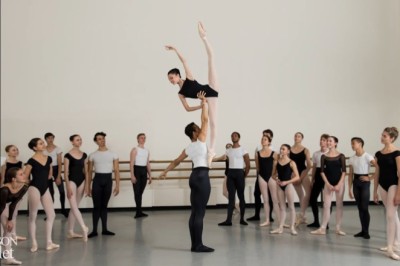
AK Dancewear is proud to support the next generation of dancers through its partnership with Universal Conservatory of Ballet
AK Dancewear

Vitis AK dancewear for great products


What's your reaction?
You may also like
-

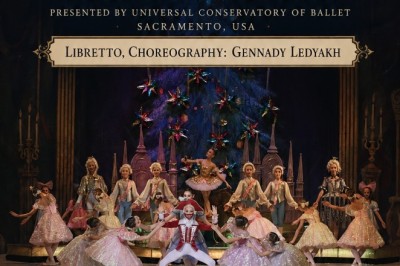
From Moscow to Sacramento: Universal Conservatory of Ballet Introduces Gennady Ledyakh’s Nutcracker
-
Moscow International Ballet Competition 2026: Winners, History and Why Moscow Still Defines Ballet Excellence
-
Moscow International Ballet Competition 2026
-
Sacramento Ballet Appoints Tiit Helimets as Artistic Director, Marking a Powerful New Era
-
Why Smaller Cities Are Becoming the New Dance Training Hubs
-
The Ultimate Guide to Choosing the Right Ballet Studio for Teen & Pre-Professional Dancers










Comments
0 comment