



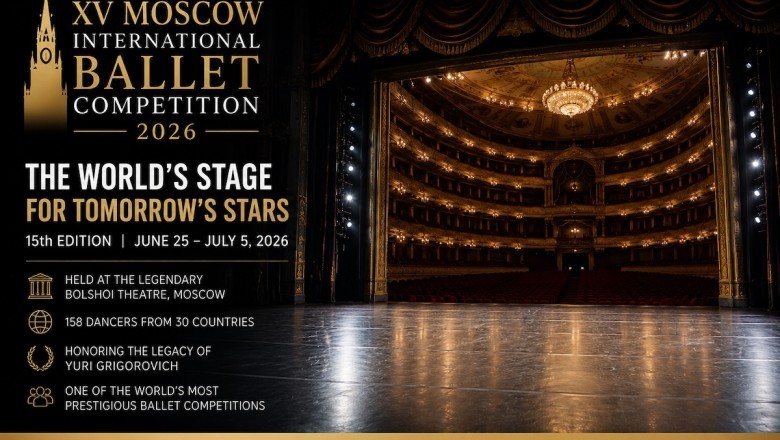

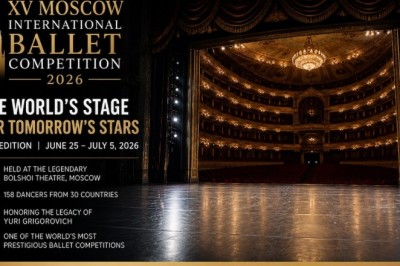
eld from June 25 through July 5, 2026, the competition brought emerging artists and young professionals from around the world to Moscow for a rare opportunity: to perform before an international jury on the stage of one of ballet’s most legendary theaters.
The 2026 edition was especially meaningful because it honored the legacy of Yuri Grigorovich, the celebrated choreographer whose artistic influence shaped generations of dancers and helped define the grandeur of Soviet and Russian ballet.
Unlike many annual competitions, the Moscow International Ballet Competition takes place only once every four years. That long wait makes every edition a major career moment for dancers, teachers, schools, companies, and ballet audiences worldwide.
A Competition With a Legendary History
Founded in 1969, the Moscow International Ballet Competition quickly became one of the world’s most important platforms for classical ballet artists. Its first edition helped establish a new international standard: dancers were judged not only on difficult technique, but also on musicality, style, dramatic interpretation, classical purity, and the ability to communicate artistry onstage.
Over the decades, the competition has helped introduce future stars to the global ballet community. Notable laureates and prize recipients connected with Moscow include Mikhail Baryshnikov, Natalia Osipova, Ivan Vasiliev, Nikolay Tsiskaridze, Julio Bocca, Vladimir Malakhov, Alina Cojocaru, and Nina Ananiashvili.
The competition’s highest distinction, the Grand Prix, has been awarded only four times in its history: to Nadezhda Pavlova in 1973, Irek Mukhamedov in 1981, Andrey Batalov in 1997, and Denis Matvienko in 2005. That rarity reflects the extraordinarily high standard required for the award.
Why the Moscow Competition Is Different
The Moscow International Ballet Competition is often described as one of ballet’s ultimate tests because dancers must bring together multiple elements of the art form.
Competitors are expected to demonstrate clean classical technique, secure pointework and partnering, strong turns and jumps, musical intelligence, stylistic understanding, stage presence, and the ability to perform difficult repertoire under enormous pressure.
Rounds I and II of the 2026 competition were held on the New Stage of the Bolshoi Theatre, while the opening ceremony, final round, and closing events took place on the theater’s Historic Stage.
For young dancers, simply advancing through the rounds can create international visibility. A medal, diploma, or special prize can lead to scholarships, invitations, professional contracts, coaching opportunities, and recognition from directors and teachers around the world.
2026 Competition: A Milestone Year
The 2026 competition marked the fifteenth edition of the event and drew an international field following a highly competitive preliminary process. Organizers reported that 158 contestants from 30 countries advanced to the in-person rounds in Moscow.
This year’s competition was dedicated to Yuri Grigorovich, whose choreography and leadership at the Bolshoi Theatre made a lasting impact on ballet repertory and training. The tribute gave the 2026 event additional historical weight, connecting today’s rising generation of dancers with one of the most influential figures in 20th-century ballet.
2026 Moscow International Ballet Competition Winners
Junior Group — Girls, Solo
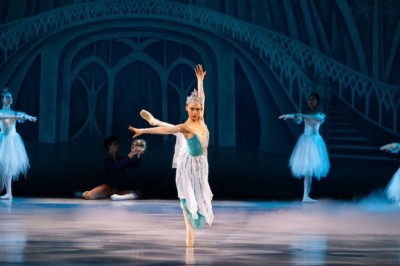
First Prize and Gold Medal: Crystal Huang — United States
Second Prize and Silver Medal: Victoria Sokolova — Russia
Third Prize and Bronze Medal: Sakura Nagai — Japan
Diplomas:
Ekaterina Pichkova — United States
Eleanora Shaidullina — Russia
Crystal Huang’s Gold Medal was a major moment for American ballet, placing a young U.S. dancer at the top of one of the world’s most prestigious classical ballet competitions.
The official competition results include laureates across junior and senior divisions, with categories for female and male soloists as well as ensemble and choreographic recognition. Dance Channel TV will continue to follow the official results and celebrate the artists whose performances stood out on the Bolshoi stage.
The American Connection
American dancers have long had an important presence at the Moscow International Ballet Competition. At the inaugural competition in 1969, Helgi Tomasson represented the United States and earned a Silver Medal before becoming one of the most influential artistic leaders in American ballet.
In 2026, Crystal Huang’s Junior Girls Gold Medal and Ekaterina Pichkova’s diploma recognition continue that connection. Their achievements are meaningful not only for their own careers, but also for American ballet schools and teachers preparing dancers for the highest international stages.
What These Results Mean for Young Dancers
The Moscow International Ballet Competition remains a reminder that ballet is both global and deeply rooted in tradition. Dancers today train across many systems and countries, but the competition continues to value the essential qualities that have defined great ballet for generations: discipline, artistry, musicality, individuality, and respect for classical style.
For young dancers watching from studios around the world, the 2026 winners offer an important message: international recognition is built through years of daily work. It comes from consistent training, strong coaching, intelligent repertoire choices, and the courage to perform when the stakes are highest.
The competition may happen only once every four years, but its impact lasts far longer. For many dancers, Moscow becomes a defining chapter in a lifelong artistic journey.
For more international ballet news, competition coverage, interviews, and performance highlights, follow Dance Channel TV.


What's your reaction?
You may also like
-

From Moscow to Sacramento: Universal Conservatory of Ballet Introduces Gennady Ledyakh’s Nutcracker
-
Moscow International Ballet Competition 2026
-
Sacramento Ballet Appoints Tiit Helimets as Artistic Director, Marking a Powerful New Era
-
Why Smaller Cities Are Becoming the New Dance Training Hubs
-
A Conversation that Sparked a Story: Meeting the Founder of AK Dancewear
-
The Ultimate Guide to Choosing the Right Ballet Studio for Teen & Pre-Professional Dancers









Comments
0 comment